

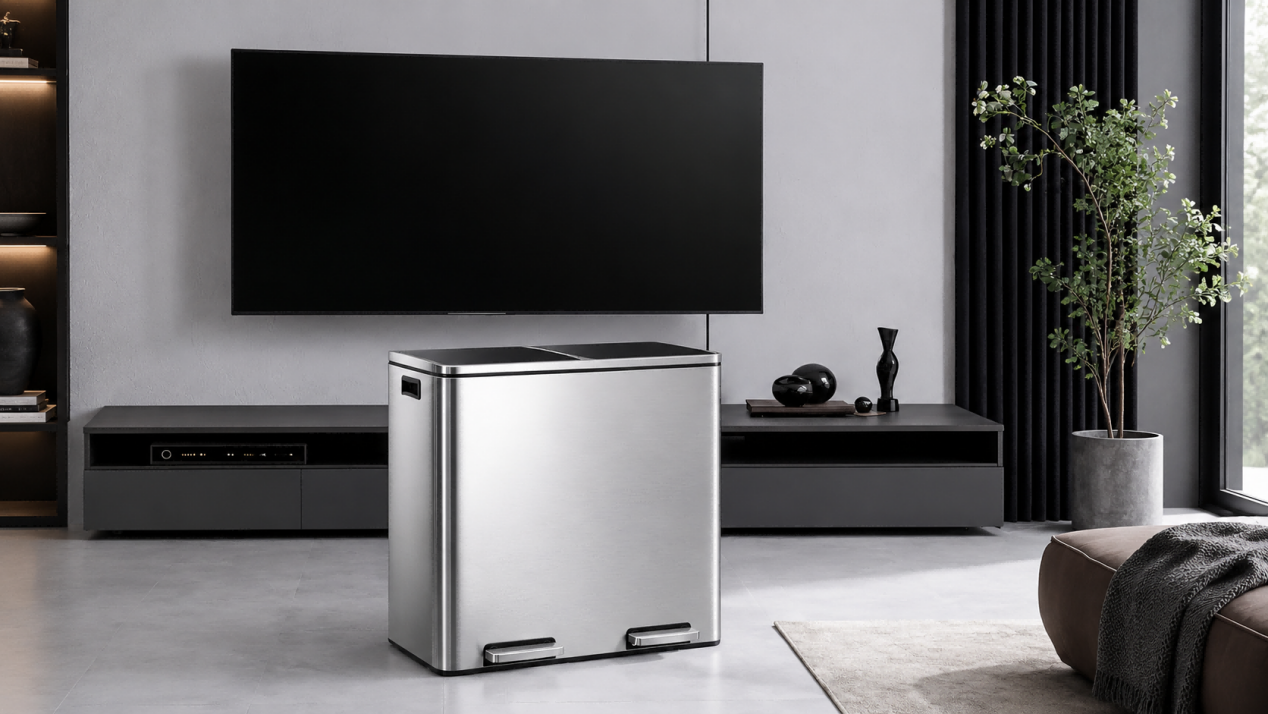
Stainless steel trash cans are often a better choice for kitchen use, especially when hygiene, odor control, durability, and appearance matter. A kitchen trash can is used more frequently than bins in bedrooms, offices, or bathrooms. It also handles food scraps, moisture, grease, packaging waste, and daily cleaning routines.
Why Kitchen Trash Cans Need Better Materials
Kitchen trash cans face more demanding conditions than many other household bins. In daily use, they are exposed to food residue, cooking oil, water, steam, and odor-producing waste. These conditions make material choice especially important.
Food scraps can create odor quickly, especially when the bin is not emptied every day. Moisture from fruit peels, leftovers, packaging, or leaking trash bags can also make the inside of the bin harder to clean. In busy kitchens, the trash can may be opened and closed many times a day during cooking, cleaning, and meal preparation.
Grease is another common kitchen issue. Even when the trash can is not placed directly beside the stove, small amounts of oil, dust, and food residue can build up on the surface over time. A material that is easy to wipe clean can make daily maintenance much easier.
Compared with ordinary plastic bins, a stainless steel trash can is better suited to the high-use, high-moisture, and high-odor conditions of a kitchen.
Are Stainless Steel Trash Cans Easier to Clean?
Stainless steel trash cans are easier to clean because the material has a smooth, hard, and non-porous surface. In kitchen use, this is important because the bin may come into contact with food residue, grease, water stains, and dust during daily cooking and cleaning.
For daily maintenance, most light stains, fingerprints, and grease marks can be removed with a damp cloth and mild detergent. Users usually do not need strong cleaners or complicated cleaning steps. This makes stainless steel especially practical for kitchens where the trash can needs to be cleaned frequently.
The cleaning process is also more efficient when the bin includes a removable inner bucket. The exterior can be wiped clean quickly, while the inner bucket can be taken out and rinsed separately when needed. If the trash bag leaks, the inner bucket helps prevent liquid or food residue from directly reaching the stainless steel body.
Compared with plastic bins, stainless steel usually maintains a cleaner appearance after repeated cleaning. Plastic surfaces may become scratched or discolored over time, which can make stains harder to remove and make the bin look older even after washing. For kitchen users, stainless steel means less time spent scrubbing and a cleaner result after routine maintenance.
Do Stainless Steel Trash Cans Control Odor Better?
Stainless steel trash cans can help reduce long-term odor problems because the material is less likely to absorb or hold smells. In kitchens, trash cans often collect food scraps, wet packaging, sauces, and grease. If these materials leave residue inside the bin, unpleasant smells can remain even after the trash bag is removed.
The key difference is how each material responds after repeated use. Stainless steel does not easily absorb odor into the surface, so smells are usually easier to remove during regular cleaning. Plastic bins can also control odor when they are new and cleaned often, but they may become more prone to lingering smells as the surface wears down.
Over time, scratches, stains, and aged plastic surfaces can make odor harder to remove completely. This does not mean plastic trash cans are unusable, but it does mean they may require more frequent deep cleaning in kitchen environments.
Odor Control Factor | Stainless Steel Trash Cans | Plastic Trash Cans |
Odor absorption | Less likely to retain smells | May hold odors after long-term use |
Surface aging | More stable with routine cleaning | May scratch, stain, or discolor |
Food waste impact | Easier to deodorize after contact with food waste | Odor may remain in worn areas |
Long-term odor control | More consistent over time | May require deeper cleaning |
Best use case | Kitchens with food waste, grease, and moisture | Light-use or low-odor spaces |
For kitchens, odor control is not only about covering smells. It is also about whether the bin can return to a clean, neutral condition after repeated contact with food waste. This is where stainless steel has a stronger long-term advantage over plastic.
When Are Plastic Trash Cans Still a Good Choice?
Plastic trash cans are still a practical choice in many situations. They are lightweight, affordable, and easy to move, which makes them suitable for budget-sensitive buyers and low-intensity use.
For example, plastic bins can work well in bedrooms, offices, laundry rooms, children’s rooms, dormitories, or temporary spaces. These areas usually do not deal with the same level of food waste, grease, moisture, or strong odor as kitchens, so the material requirements are lower.
SONGMICS HOME Stainless Steel Trash Can
SONGMICS HOME stainless steel trash cans are designed to support different kitchen needs, from daily household waste disposal to waste sorting and touchless use.
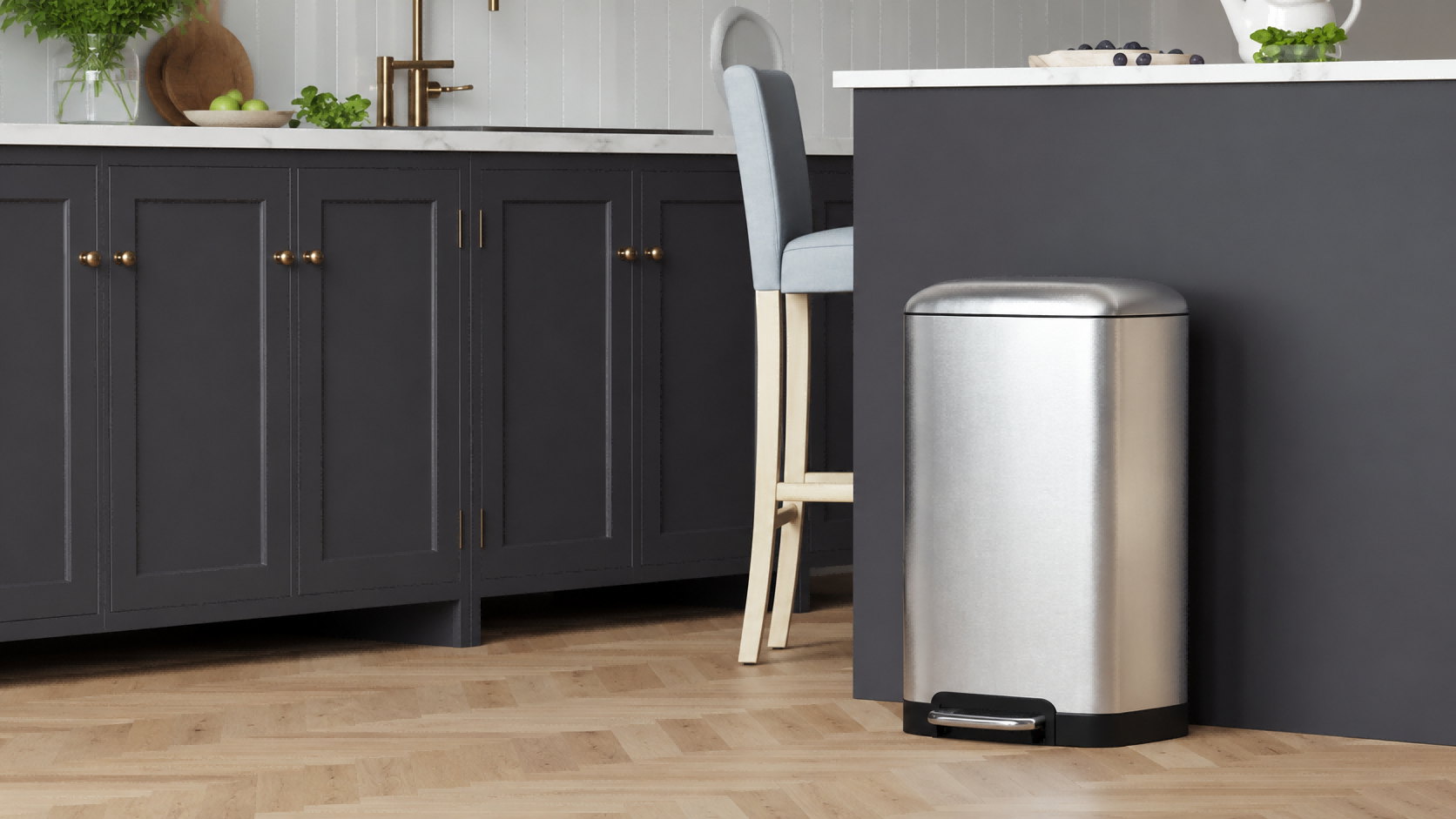
Single-compartment stainless steel trash cans are suitable for standard kitchen use. They offer a clean appearance, practical capacity, and simple daily operation. These trash cansare a good fit for households that need one main kitchen bin.
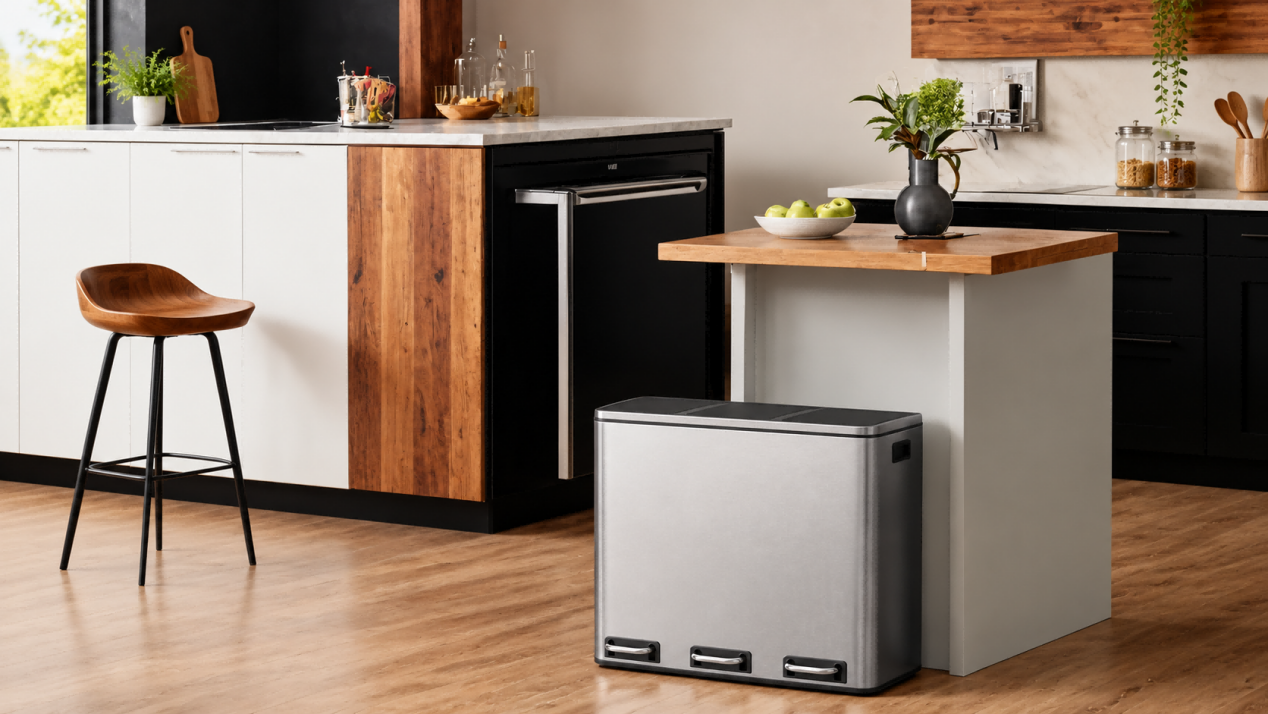
Dual-compartment stainless steel trash cans are suitable for users who separate waste and recycling. By combining two compartments in one unit, they help reduce the need for multiple bins on the kitchen floor. Itis especially useful for modern homes where waste sorting is becoming more common.
Motion sensor stainless steel trash cans are suitable for buyers who want to highlight touchless use and a more modern kitchen experience. They are especially attractive for users who often cook, clean, or handle food with both hands occupied.
If you are looking to source SONGMICS HOME trash cans, contact us today. We offer a wide selection of stainless steel trash cans with different formats, materials, and design options to support your market needs.
Conclusion
Stainless steel trash cans are generally better for kitchen use because they respond well to the real conditions of a kitchen: grease, moisture, food scraps, odor, and frequent daily operation. Compared with plastic bins, they are easier to clean, less likely to retain odors, more durable for long-term use, and better suited to modern kitchen interiors.


