

Every back-to-school season brings the same pattern for furniture buyers: a new wave of students moves into dorms and shared apartments, stays for a semester or a year, and moves again — and every cycle, they need the same storage essentials. Still filling out your student-room assortment with only beds, desks, and wardrobes? Shoe storage is an easy category to overlook, but it solves one of the most persistent complaints from small-room living: shoes piling up by the door and making a shared space feel smaller than it already is.
For students living in dormitories or shared apartments, every square meter matters. Limited floor space, shared storage areas, and busy daily schedules make organization a constant challenge. Among all personal items, shoes are often one of the easiest things to overlook but one of the fastest sources of clutter.
This pressure on space is not incidental — Europe’s student housing market remains structurally undersupplied, with core markets such as the UK, Germany, France, and Spain continuing to see high occupancy and constrained new supply.[1] With less space to work with, students and shared-housing residents have to make every storage decision count — and clutter is not only a visual problem. Research on home clutter and wellbeing has found that self-rated clutter is associated with lower life satisfaction, regardless of how tidy the space objectively is.[2]
For this reason, effective shoe storage is not simply about holding more pairs of shoes. It should help students make better use of available space efficiently, keep frequently used footwear accessible, protect less frequently used items, and adapt to different dorm layouts.
For retailers, wholesalers, and suppliers preparing for back-to-school demand, it’s important to focus on shoe storage that helps students use space well and meet practical buying needs.
Make Every Square Meter Count: What Makes Good Shoe Storage for Student Rooms?
Small student rooms require storage solutions that make efficient use of limited space. Since shoes are used every day but often lack dedicated storage areas, they can quickly become a source of clutter. The right shoe storage solution should help students organize footwear, maintain a cleaner room, and adapt to different living layouts.
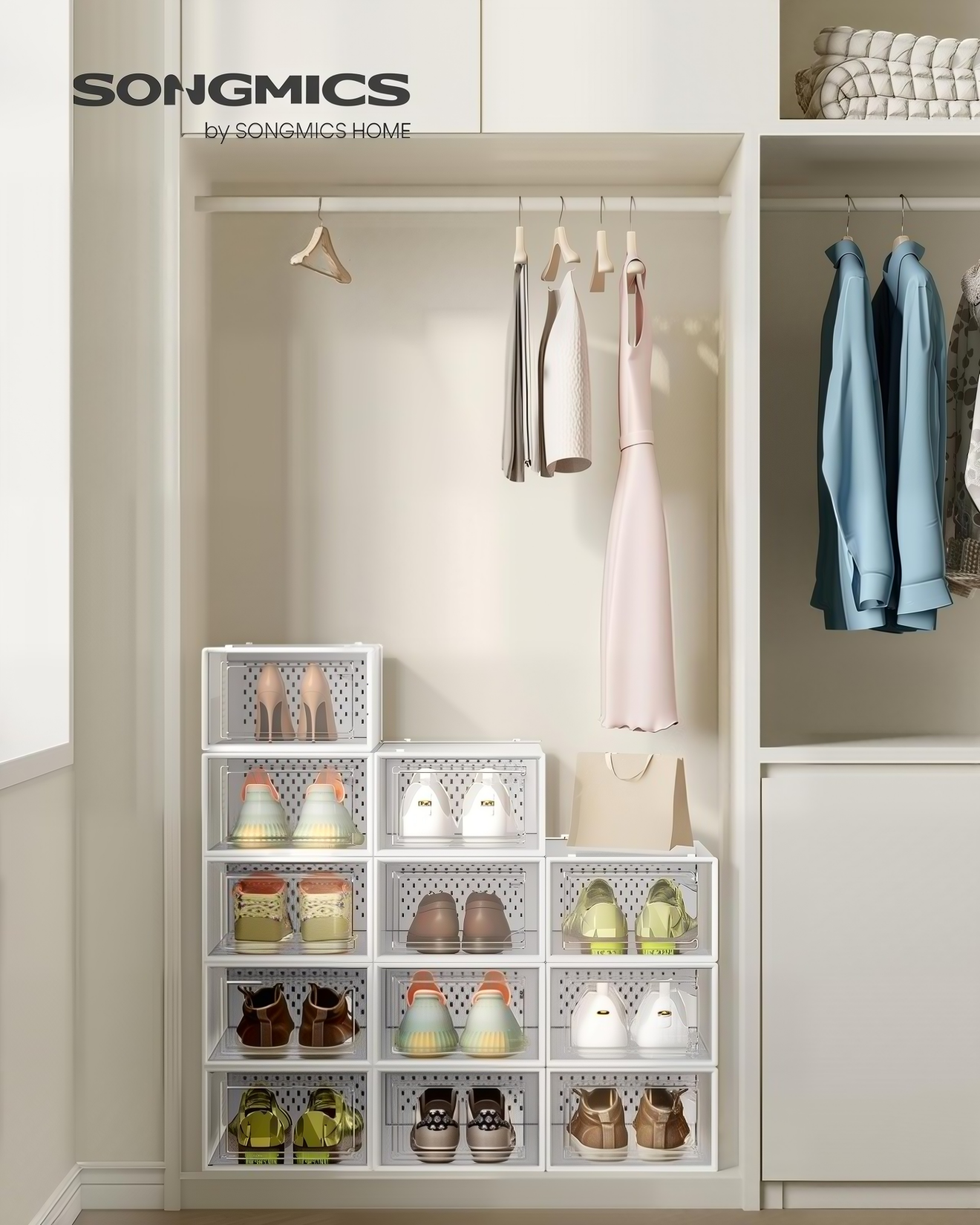
Common storage problems in shared dorm rooms
Student rooms often combine multiple functions in one small area. A single room may need to accommodate a bed, study desk, wardrobe, personal belongings, and daily essentials. Because storage space is limited, shoes are commonly placed on floors, under beds, or near doors.
This creates several problems. First, scattered shoes reduce available walking space and make rooms appear crowded. Second, footwear exposed in open areas can collect dust and make cleaning more difficult. Third, students may struggle to find the right pair quickly when they are preparing for classes or activities.
The problem becomes more noticeable in shared accommodations. When multiple students have limited storage options, even small amounts of clutter can affect the overall comfort of the living space.
Essential Features Buyers Should Consider in Student Shoe Storage Solutions
Choosing storage that works with the room instead of against it makes daily life much more convenient. Beyond simply storing footwear, a practical shoe organizer should help students maintain a cleaner environment while fitting comfortably into tight spaces. The most useful solutions share several common characteristics.
Feature | Why students need it | Best storage type |
Slim profile | Fits against walls without blocking walkways | Shoe cabinet |
Vertical storage | Uses unused wall height instead of floor space | Stackable shoe boxes |
Modular configuration | Adapts to different dorm layouts and changing needs | Stackable storage systems |
Easy daily access | Keeps frequently worn shoes within reach | Open shoe rack |
Dust protection | Stores seasonal or formal shoes more cleanly | Closed shoe cabinet |
Compact capacity | Holds multiple pairs without occupying excessive space | Multi-tier shoe organizer |
Another important consideration is flexibility. Students often move between dormitories, apartments, or shared housing throughout their academic years. Storage products that can be stacked, rearranged, or expanded remain useful even after graduation, making them a practical long-term investment.
From a purchasing perspective, compact storage also reduces visual clutter. When shoes have designated spaces, rooms appear larger and tidier, creating a more comfortable study and living environment.
Choosing the Right Shoe Storage for Different Dorm Layouts
No single storage solution works for every student. Different room sizes, lifestyles, and shoe collections require different approaches. Understanding these scenarios helps retailers recommend products that match customer expectations. For buyers planning a broader back-to-school assortment, the student storage collection covers shoe racks, cabinets, and stackable systems for different room types and budgets.
Open shoe racks for everyday footwear
Open shoe racks are ideal for everyday shoes. Since each pair remains visible, students can quickly grab a pair of sneakers before class or change shoes after returning from outdoor activities.
Open designs also encourage airflow, making them suitable for frequently used athletic shoes. Because there are no doors or lids to open, they simplify daily routines while keeping entryways organized.
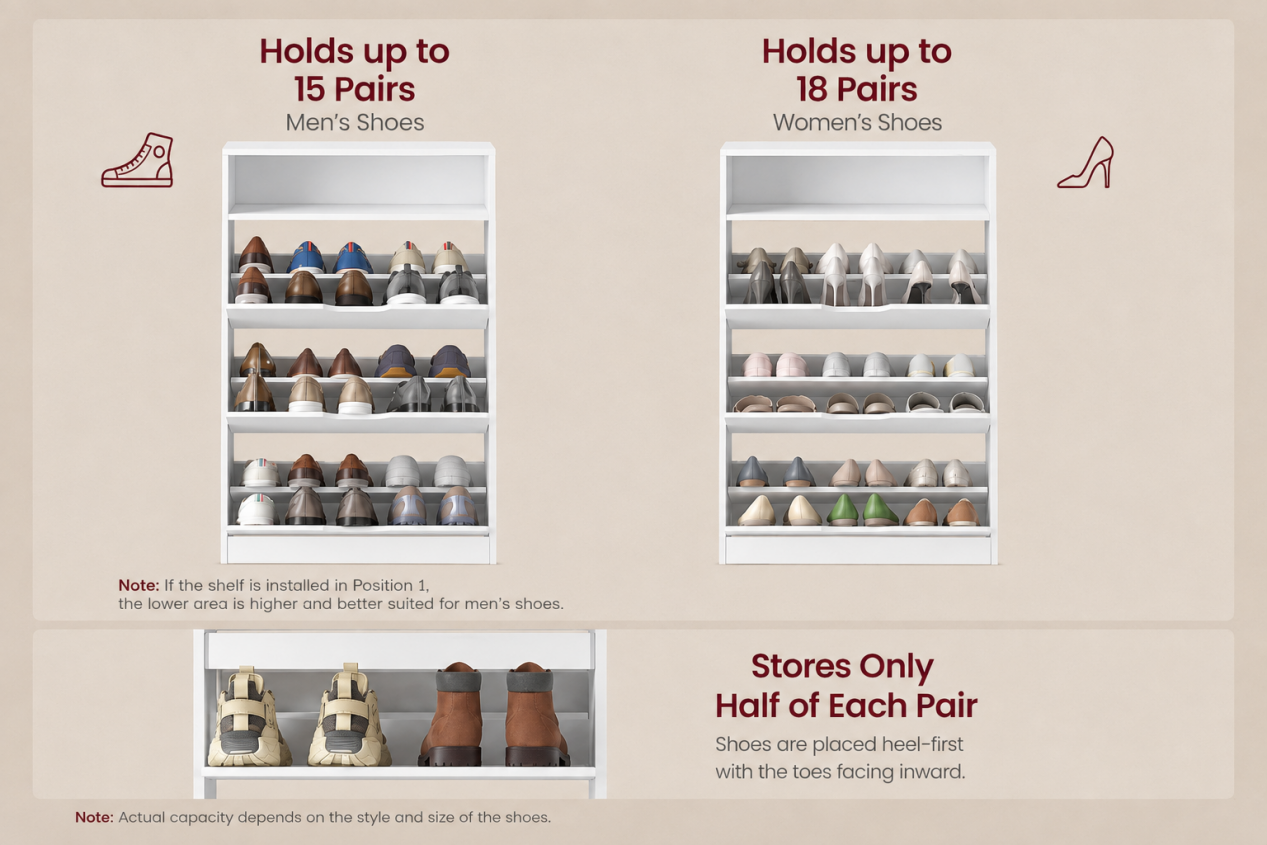
Shoe cabinets for seasonal and dust-proof storage
Students often own shoes that are worn only occasionally, such as winter boots, formal shoes, or special-event footwear. Leaving these pairs exposed allows dust to accumulate and makes rooms look less organized.
A closed shoe cabinet hides visual clutter while protecting footwear between uses. Slim cabinets positioned against a wall or near the entrance help maintain clear walkways without taking up excessive floor space.
Stackable shoe boxes for vertical organization
Vertical storage is one of the simplest ways to maximize limited dorm space. Instead of spreading shoes across the floor, stackable shoe boxes allow students to build up and customize storage to match the number of shoes they own.
Because the configuration can change over time, stackable systems remain useful even when students relocate to different housing with different room layouts.
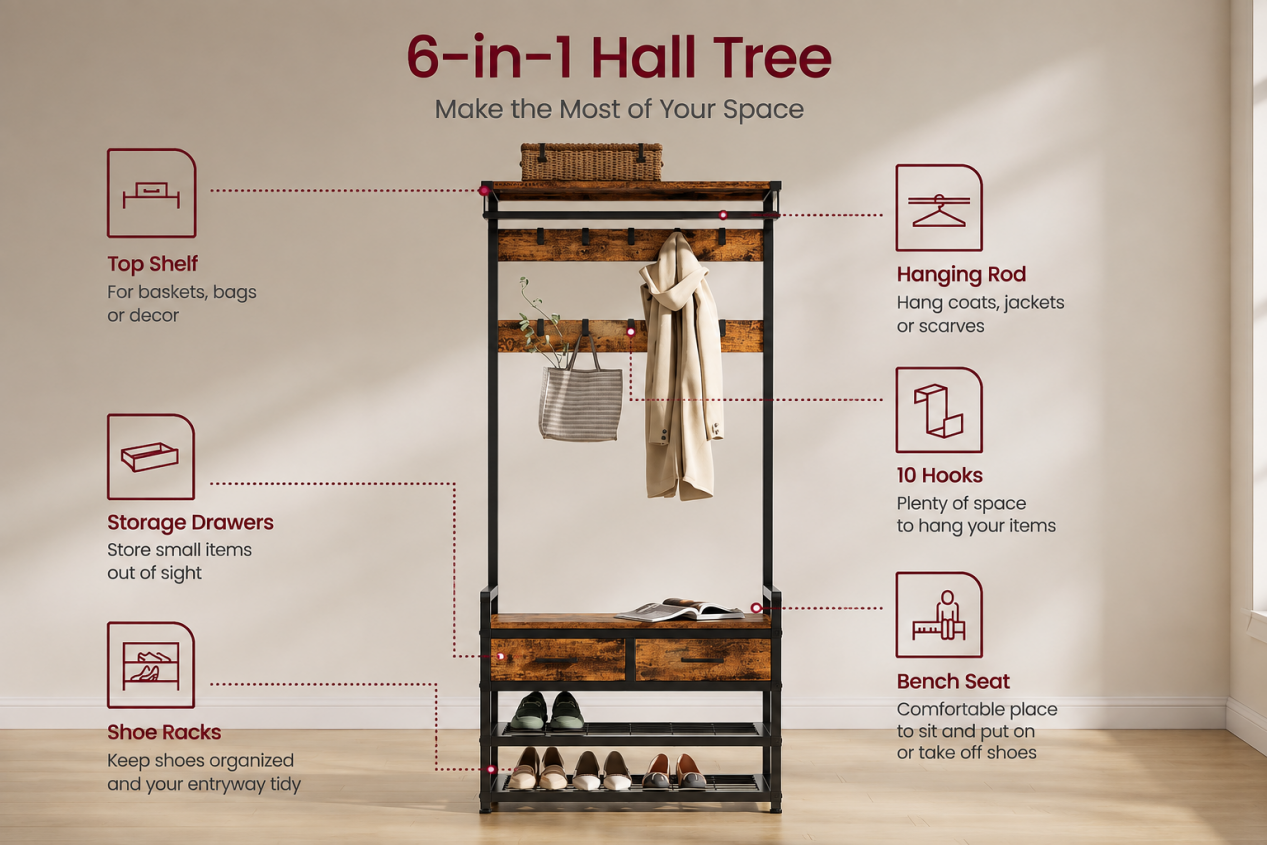
Entryway organizers for backpacks, jackets and shoes
The entrance area often becomes a catch-all location for daily essentials. Combining shoe storage with hooks, shelves, or benches creates a centralized organization zone where students can store backpacks, jackets, keys, and footwear together.
This approach reduces the time spent searching for everyday items while helping shared dorm rooms remain orderly throughout busy semesters.
How B2B Buyers Can Select Shoe Storage for Back-to-School Projects
Back-to-school shopping remains one of the strongest seasonal opportunities for furniture retailers, wholesalers, and online sellers. Students consistently search for products that solve space limitations without making rooms feel crowded.
When evaluating shoe storage collections, several characteristics deserve particular attention:
Compact packaging that reduces shipping and warehouse costs.
Easy assembly suitable for first-time furniture buyers.
Flexible configurations that adapt to different dorm sizes.
Space-saving designs that maximize vertical storage.
Practical styles that remain useful throughout the year, not only during the back-to-school season.
Modular storage solutions are especially valuable because they simplify inventory planning. Rather than stocking separate products for every living scenario, retailers can offer adaptable systems that serve dormitories, apartments, and small homes alike.
Consumer preferences also continue to favor products that combine organization with attractive design. Neutral finishes, clean lines, and multifunctional storage fit a wide variety of interior styles, making purchasing decisions easier for both retailers and end users.
For wholesalers serving educational institutions, student housing providers, or furniture distributors, selecting storage products with broad application can reduce inventory complexity while improving customer satisfaction during peak purchasing seasons.
Conclusion: A Space-Saving Category with Broad Merchandising Value
For B2B home-furnishing buyers preparing for Europe’s September back-to-school season, the strongest value of the category is therefore simple: it allows one storage concept to solve several everyday problems — clutter, dust, limited floor space — while giving retailers multiple ways to merchandise, bundle, and position it across shoe racks, cabinets, stackable boxes, and entryway organizers.
Open or closed, stackable or fixed, the core benefit remains the same:
more organization from less space.
SONGMICS HOME offers a range of student-friendly storage categories built around this principle, backed by overseas warehouse inventory for quicker fulfillment to international partners. Buyers planning a broader student-room assortment can continue exploring SONGMICS HOME B2B, or Contact SONGMICS HOME to receive our complete product catalog and discuss wholesale, distribution, and project requirements. Email us at b2b@songmicshome.com.
References
[1] CBRE, European Purpose-Built Student Accommodation 2026. Core European markets including the UK, Germany, France, and Spain continue to face structural undersupply and high occupancy in student housing.
[2] Rogers, C. J. & Hart, R., “Home and the extended-self: Exploring associations between clutter and wellbeing,” Journal of Environmental Psychology / ScienceDirect. Self-rated clutter was found to strongly predict lower wellbeing among non-clinical populations.


