

Choosing the right products is one of the biggest challenges for retailers. A product may look promising in a catalog or be described as a “hot seller” by a supplier, but that does not necessarily mean consumers are ready to buy it. For retailers, the more important question is not simply “What can I buy?” but “What has already proven that consumers will buy?”
This is where SONGMICS’ C-end experience becomes valuable. While we supply furniture to B2B buyers, we also sell directly to consumers through marketplaces such as Amazon. That means our products are exposed to real consumer behavior every day: what people buy, what they review, which features they value, and how they respond to different price points. For retailers, this experience can become a source of product-selection intelligence.
So rather than simply recommending an office chair, let’s look at the selection principles behind commercially promising products—and use a SONGMICS office chair as a real-world case.
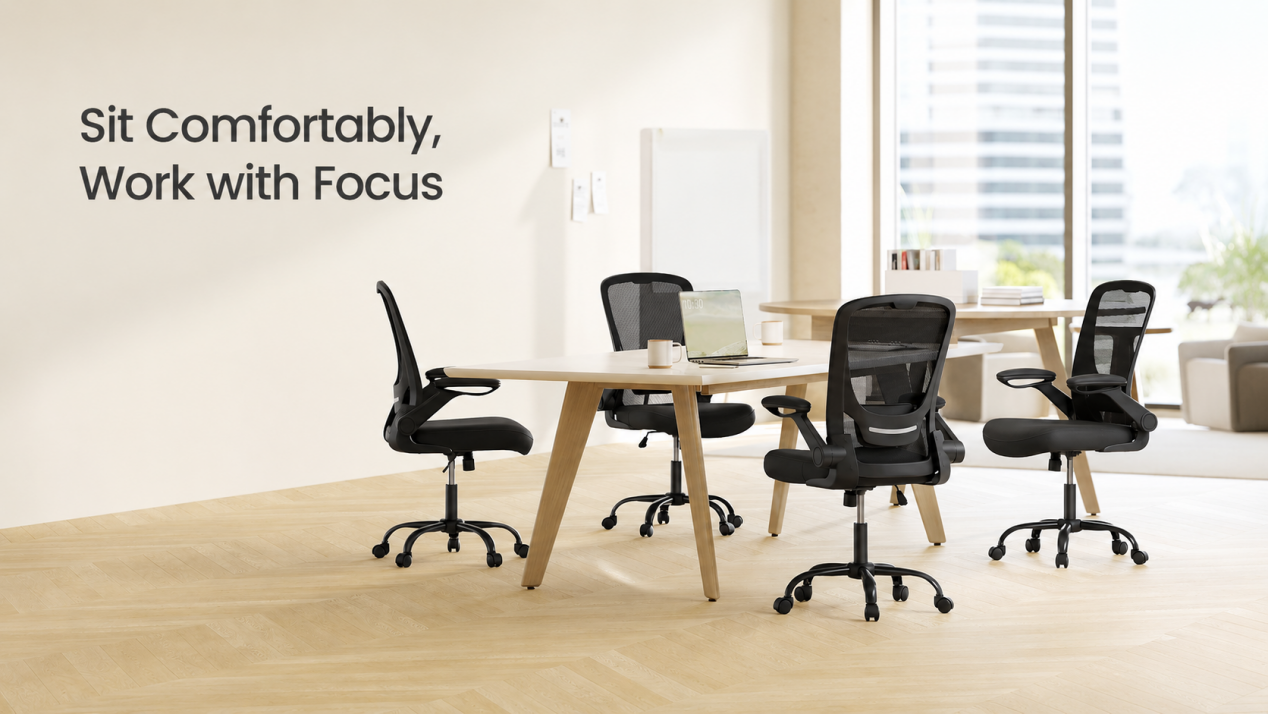
Start With Proven Demand, Not Guesswork
The first rule is simple: choose products with evidence of demand. Before committing inventory, retailers can look at marketplace signals such as Best Seller ranking, review volume, and average rating. These indicators do not guarantee future sales, but they provide something much more useful than a supplier’s prediction: evidence of how real consumers have already responded to the product.
The SONGMICS OBN37BK is a good example. On an Amazon European marketplace, the product is shown as #1 in the Office Chairs Best Sellers category, with 6,632 customer reviews and an average rating of 4.2 out of 5 stars. These three figures provide different but complementary signals: the Best Seller ranking indicates strong category-level performance, the large number of reviews shows that the product has generated substantial consumer interaction, and the 4.2/5 rating indicates a generally positive customer response despite the large volume of feedback.
This is much stronger evidence than simply being told that a product is “popular.” And retailers should look beyond the numbers. Reviews can reveal why customers buy, which features they value, and where dissatisfaction occurs. Research has also found meaningful relationships between online reviews, purchase intention, and retail sales performance.[1][2]
The lesson is simple: don’t ask only, “Could this product sell?” Ask, “What evidence shows that it is already selling?”
Look for the Right Combination of Value and Price
Proven demand is only the first filter. A product also needs to offer enough value for consumers to accept its price while leaving the retailer room for a sustainable margin. This is where cost-effectiveness matters. The goal is not necessarily to find the cheapest product; a product with an extremely low purchase price can still be difficult to sell if customers perceive insufficient value and the retailer has to depend on constant discounts.
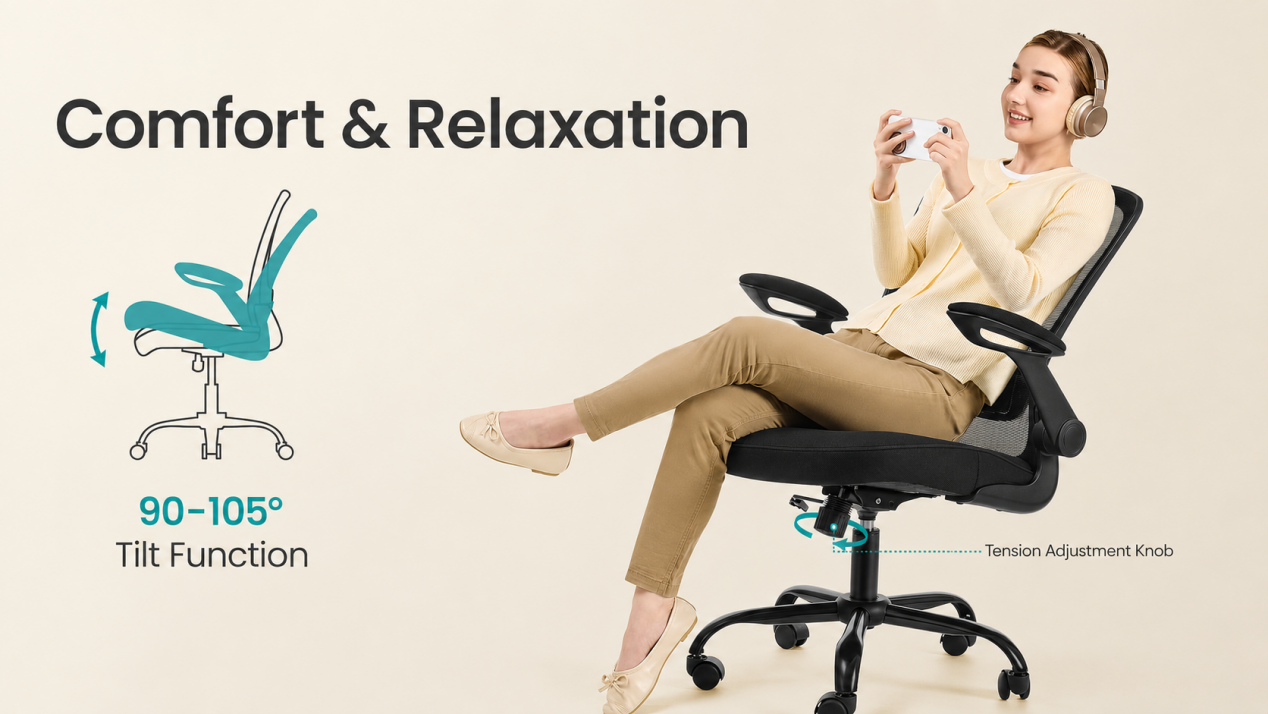
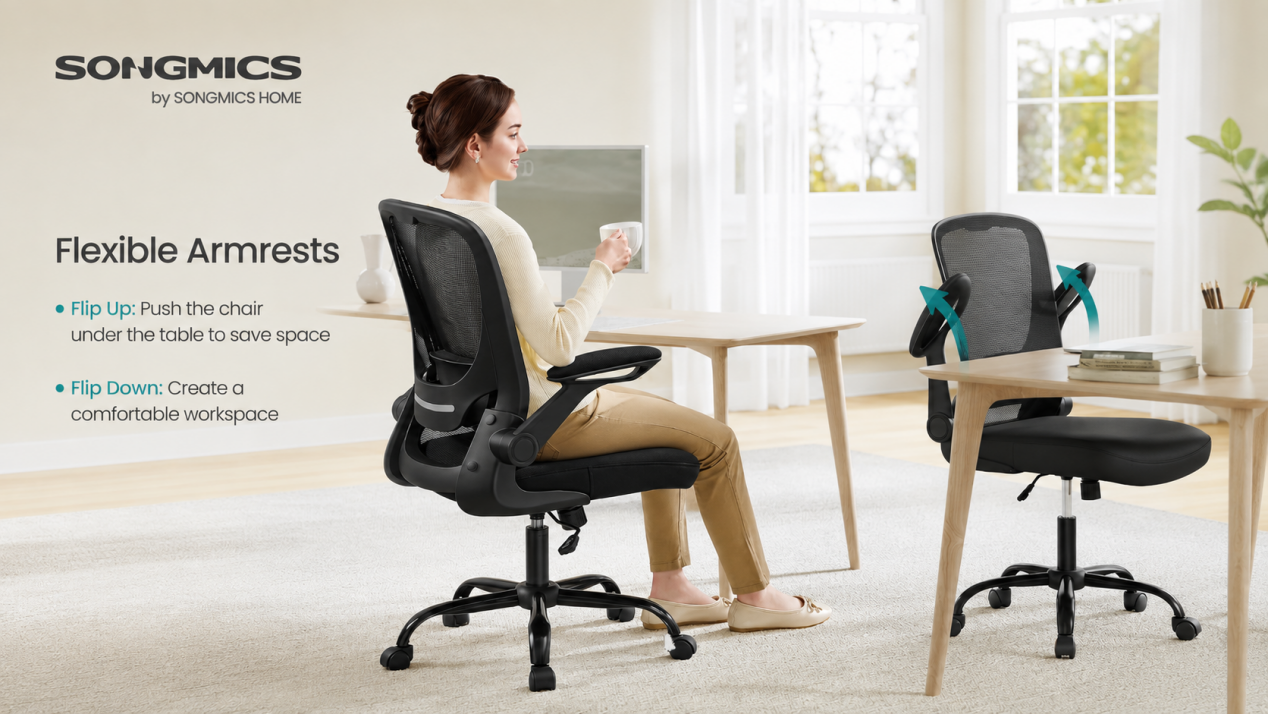
A stronger product combines useful features, acceptable quality, attractive design, and accessible pricing. The OBN37BK illustrates this approach through practical features such as adjustable lumbar support, adjustable seat height, foldable armrests, a 90–105° rocking function, cushioning, and breathable materials. On the referenced Amazon European marketplace, its consumer price is also positioned within an accessible mainstream range rather than relying entirely on premium pricing.
For retailers, the key question is therefore not simply “How cheap can I buy it?” but “Can customers immediately understand why this product is worth its price?” When the answer is yes, the product becomes easier to position, advertise, and sell while giving the retailer more room to build a sustainable margin.
Treat Durability as a Profit Factor
A low purchase price does not automatically mean high profitability. Returns, replacements, warranty claims, customer service, and damaged inventory can all reduce the real margin. A more realistic way to evaluate a product is to consider the total cost of selling it: purchase cost + logistics + returns + warranty + customer service + inventory risk.
For an office chair, buyers should therefore pay attention to load capacity, component testing, construction, warranty terms, and customer feedback. The OBN37BK, for example, has a stated 120 kg load capacity, while its product information highlights testing of key components such as the gas lift and castors. These tests do not guarantee a specific return rate, but they provide additional evidence when a retailer is comparing potential quality risks between products.
That distinction matters. Testing cannot promise zero returns; it can help reduce uncertainty before you commit your inventory budget. For retailers, reducing uncertainty is part of protecting the margin, particularly for bulky products such as furniture where returns can be significantly more costly than the initial transaction suggests.
Think Beyond One Bestseller
A product that sells well is valuable, but a product family that can serve different customers and price points can be even more valuable. Retailers should therefore consider whether a successful product can be expanded into different configurations, feature levels, colors, or price points. For office chairs, an assortment might move from entry-level → core → feature-rich → premium, allowing retailers to serve different budgets without having to search for an entirely different supplier every time.
Cross-selling creates another opportunity. A customer buying an office chair may also need a computer desk, height-adjustable desk, desk storage, monitor stand, or lighting. This means the chair can become the starting point for a broader workspace solution. The important question is therefore not only “How much can I make from this SKU?” but also “What else can I sell to the customer who buys this SKU?” A product with strong cross-selling potential can contribute to higher average order value and help distribute customer-acquisition costs across multiple products.
Why the OBN37BK Is a Useful Product-Selection Case
Putting the framework together, the OBN37BK demonstrates several characteristics retailers should look for. Its established Amazon presence provides evidence of consumer demand, with a #1 Best Seller position in the Office Chairs category, thousands of reviews, and a 4.2/5 rating. Its adjustable and space-saving features provide a clear value proposition, while its mainstream positioning allows retailers to target a broader group of consumers rather than relying exclusively on premium buyers.
At the same time, its 120 kg load capacity and component testing provide additional information for evaluating quality and potential product risk. Finally, because office chairs naturally connect with desks, storage, and other workspace products, the category offers opportunities for cross-selling and assortment expansion.
The logic can therefore be summarized as:
Proven Demand + Clear Value + Competitive Price + Controlled Risk + Cross-Selling Potential
That is a much stronger basis for product selection than simply choosing the product with the lowest supplier quotation.
What Retailers Can Learn From SONGMICS
The biggest lesson is not that every retailer should sell the same office chair. It is that C-end experience can provide useful information for product selection. Selling directly to consumers creates a continuous feedback loop: Product → Consumer → Purchase → Review → Feedback → Improvement. Sales reveal demand, reviews reveal preferences, complaints reveal weaknesses, and pricing performance provides information about consumer acceptance.
Over time, these signals can influence product development and assortment decisions. This is why SONGMICS’ consumer-market experience can be valuable to buyers. We are not simply saying, “This is a good product.” The more useful question is: “What evidence shows that this type of product has already worked in the consumer market?”
For a retailer, this changes the buying conversation. Instead of relying entirely on supplier recommendations, you can evaluate products through a combination of market evidence, consumer feedback, product value, quality risk, and future sales opportunities.

Conclusion: Choose Products With Evidence Behind Them
There is no formula that can guarantee that every product will become a bestseller. But retailers can reduce unnecessary guesswork by changing how they evaluate products. Before placing an order, ask whether demand has already been demonstrated, whether the product offers clear value at its target price, whether there is evidence supporting its reliability, and whether it can serve different customer segments or become part of a broader product family.
The SONGMICS OBN37BK is one practical example of how these principles can work together. But the real lesson is bigger than one office chair. These principles also shape how we look at other SONGMICS categories: start with real consumer demand, understand what customers value, balance functionality with cost, control hidden risks, and build around proven needs.
In other words, retailers should not look at the SONGMICS assortment simply as a catalog of products. Look at it as a collection of market-tested product opportunities. Office chairs are only one example. The same framework can be applied to desks, storage, bedroom furniture, living-room products, outdoor furniture, and more.
And this is where the next opportunity lies: taking the same selection framework into another category to examine what makes a product worth stocking, what consumers are willing to pay for, and how one successful SKU can lead to a broader, more profitable assortment.
Because profitable product selection is not about buying what a supplier wants to sell. It is about finding products that give consumers a reason to buy—and giving retailers a reason to stock them.
References
[1]Journal of Retailing — How Online Product Reviews Affect Retail Sales: A Meta-analysis
https://www.sciencedirect.com/science/article/abs/pii/S0022435914000293
[2]Data and Information Management — How Online Reviews Affect Purchase Intention
https://www.sciencedirect.com/science/article/pii/S2543925123000323


