

Every September, a new wave of students moves into dorms, shared apartments, and rental homes across Europe, creating a predictable surge in demand for space-saving furniture and storage solutions. This seasonal movement is already visible in the student housing market: HousingAnywhere reported a 30% month-on-month increase in student housing bookings in May 2026, with 44% of those bookings corresponding to August or September move-ins.[1] For retailers and buyers preparing their back-to-school assortment, this recurring demand presents more than a seasonal sales opportunity: storage is a year-round category that can reach different customer groups across different living situations. Still deciding whether to stock open shelving or closed cabinets? The better question is not which format is superior, but which customers and scenarios each one serves. Open and closed storage address different needs, price points, and lifestyles — and when stocked together, they can help buyers build a broader and more flexible storage assortment.
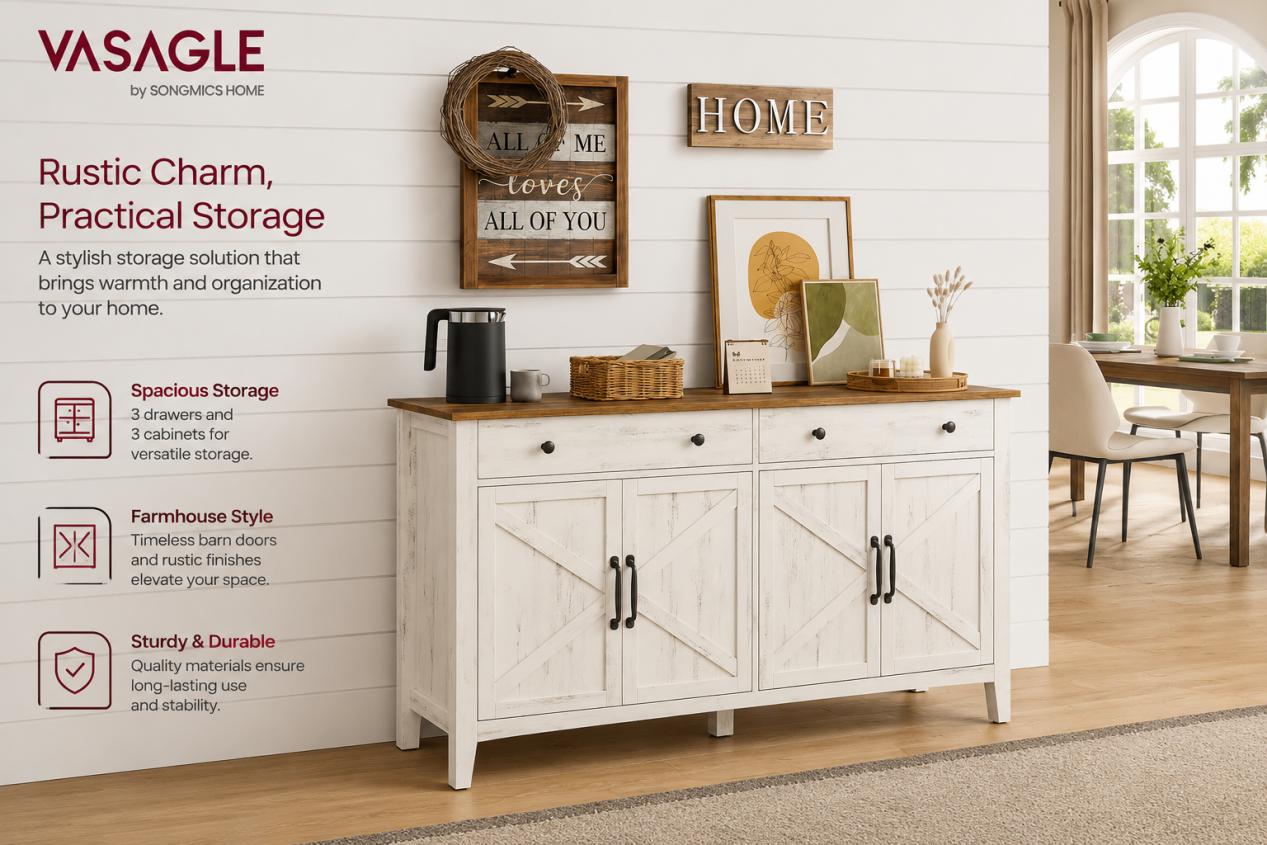
Why Storage Format Matters More in Student and Rental Housing
Small rooms don’t simply need more storage — they need storage that matches the way people live in them. A student dorm, shared apartment, or small rental may need to function as a bedroom, study area, and living space at the same time. At the same time, the needs of a short-term renter are not necessarily the same as those of a family living in the same home for several years.
This is why storage should not be treated as a one-format category. Different storage solutions can target different customers while remaining relevant within the same overall market.
For buyers, this creates an opportunity to build an assortment around different use cases rather than a single “best” product. Open storage can serve consumers who prioritize quick access and a more spacious visual appearance, while closed storage can appeal to those who value tidiness, privacy, and protection. The two formats therefore complement rather than replace each other.
Open Storage: Flexible Access for Students and Renters
Open shelving is particularly well suited to small, temporary, or frequently changing living spaces because it makes everyday belongings easy to see and reach while keeping the room visually open.
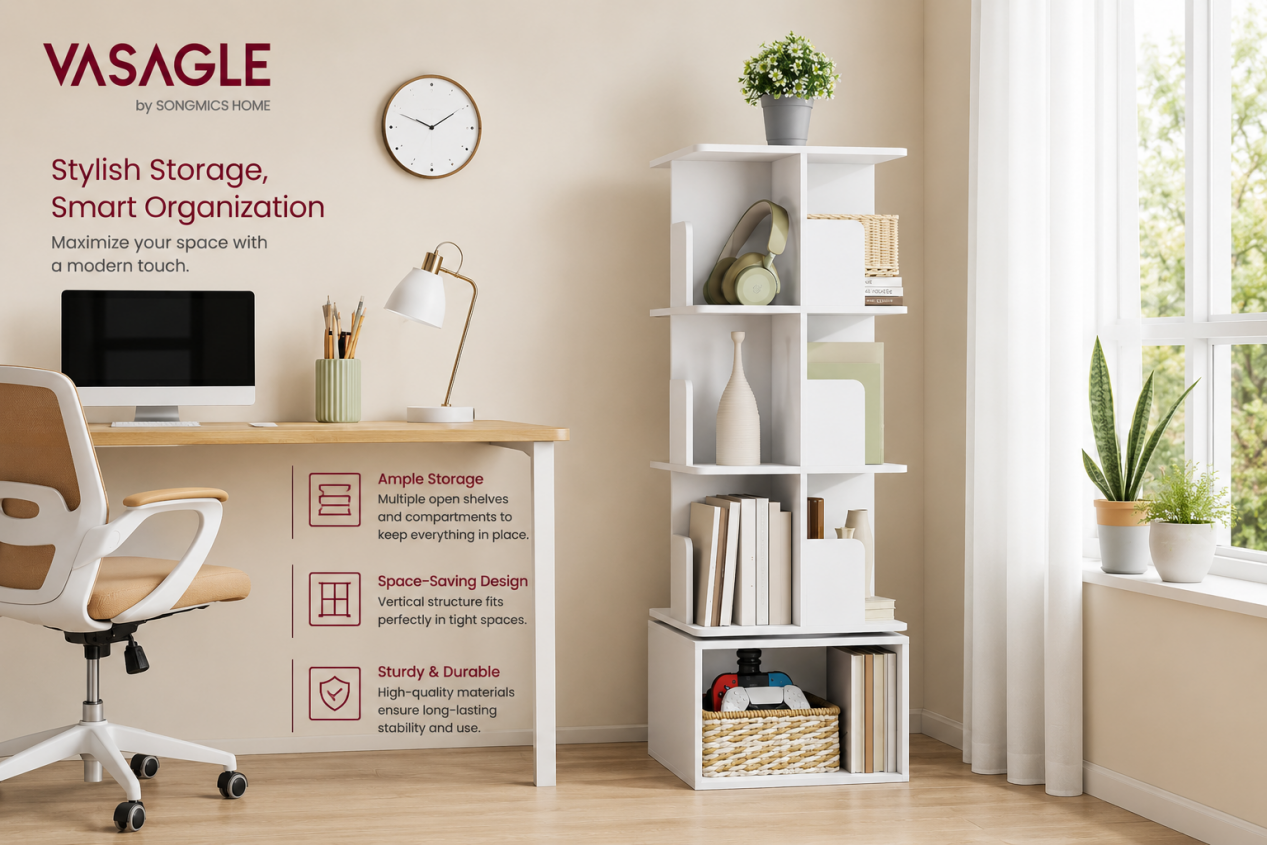
For students moving into a dorm or renters furnishing a shared apartment, accessibility can matter more than long-term storage capacity. Books, stationery, toiletries, small appliances, baskets, and other everyday items can be reached without opening doors or searching through enclosed compartments.
Open shelving also makes better use of vertical space. By using wall height rather than taking up additional floor area, it can provide useful storage without making a compact room feel excessively enclosed.
Advantage | Practical Benefit |
Open visibility | Creates a lighter and more spacious visual appearance |
Vertical organization | Makes better use of limited wall space |
Easy access | Allows frequently used items to be found quickly |
Flexible placement | Works well in dorms, rental rooms, shared apartments, and other temporary spaces |
From a product-positioning perspective, open storage can also occupy an accessible price range, making it suitable for price-conscious students, young renters, and consumers furnishing a room for the first time. For retailers, this makes open shelving a natural product for back-to-school displays and entry-level storage assortments.
However, its appeal is not limited to students. Design-led open shelving can also serve as decorative storage in family homes, living rooms, bedrooms, hallways, or home offices. This broader positioning gives buyers opportunities to continue selling the same category beyond the September back-to-school peak.
Closed Storage: Organization and Protection for Long-Term Living
Closed storage serves a different purpose. Instead of prioritizing visibility and immediate access, it sells on the value of a cleaner appearance, greater privacy, and better protection for stored belongings.
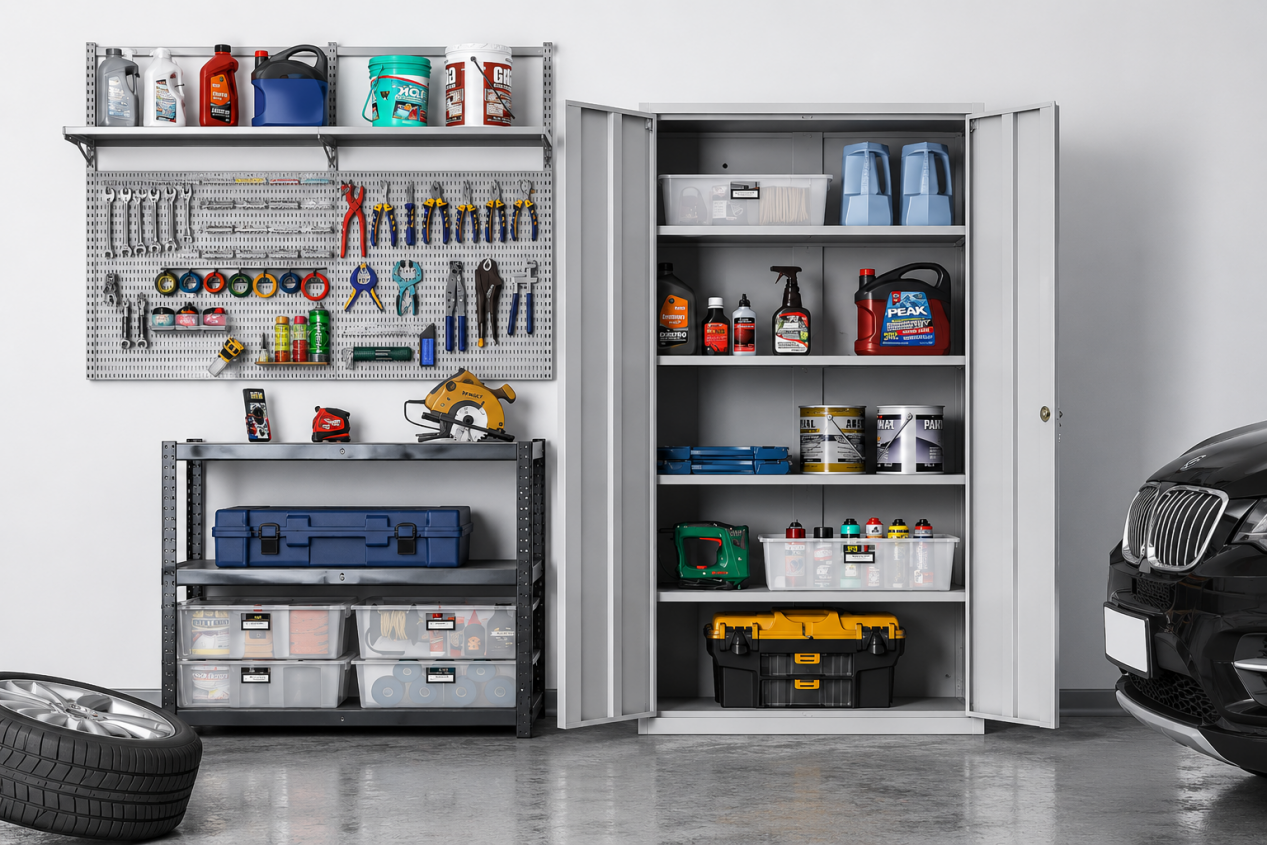
Cabinet doors can immediately reduce visible clutter by keeping miscellaneous belongings out of sight. This can be especially valuable for families and long-term residents who accumulate more belongings over time and want living spaces to maintain a consistent, organized appearance.
Closed storage can also help protect contents from dust, sunlight, and accidental contact. For documents, household supplies, seasonal belongings, and items that are not needed every day, keeping them enclosed can reduce the need for frequent cleaning and visual organization.
Advantage | Practical Benefit |
Enclosed storage | Keeps miscellaneous belongings out of sight |
Reduced dust exposure | Helps protect stored items and reduces maintenance |
Greater privacy | Keeps personal belongings less visible |
Organized appearance | Supports a cleaner-looking living environment |
This makes closed storage particularly suitable for families, long-term residents, home offices, and consumers who are willing to invest more in furniture that supports long-term organization. As a result, closed cabinets can occupy a mid-to-higher price position within a retailer’s storage assortment.
That does not mean closed storage is only for families, however. Students and renters may also need enclosed storage for documents, off-season clothing, valuables, or belongings they leave behind during school breaks. The same customer may therefore have reasons to purchase both formats.
Open and Closed Storage: Complementary Products, Not Competing Choices
For buyers, the most effective storage assortment does not necessarily require choosing between open and closed formats. Instead, each format can address a different stage of the consumer’s storage needs.
A student moving into a dorm may initially prioritize affordable open shelving for books, daily-use supplies, and personal items. Once the room is established, the same customer may add a closed cabinet for documents, clothing, or belongings that need to remain out of sight. Similarly, a family may use closed cabinets for everyday household storage while adding an open shelving unit for books, plants, decorations, or frequently used items.
This creates opportunities for combination selling rather than product substitution.
Customer / Scenario | Open Storage | Closed Storage |
Students moving into dorms | Books, stationery, daily essentials | Documents, valuables, less frequently used items |
Shared apartments | Everyday supplies and personal items | Items that need to stay organized or hidden |
Young renters | Entry-level, accessible storage | Additional enclosed storage as needs grow |
Families | Decorative storage and display | Household organization and long-term storage |
Home office | Frequently used supplies and books | Documents and paperwork |
Seasonal storage | Easy-access items | Off-season or less frequently used belongings |
This approach also gives retailers greater flexibility in how products are merchandised. Open shelving can be positioned as an accessible, space-conscious solution for younger consumers, while closed cabinets can target customers looking for a more organized and established home environment. At the same time, mixed-storage products can combine both functions within one unit, offering another route to meet different needs without forcing consumers to choose one format exclusively.
For example, open shelving beside a desk can keep books and daily-use supplies within easy reach, while a nearby closed cabinet can store paperwork and miscellaneous belongings. In a dorm, studio, or family home, the two formats can work together to divide visible everyday storage from items that are better kept enclosed.
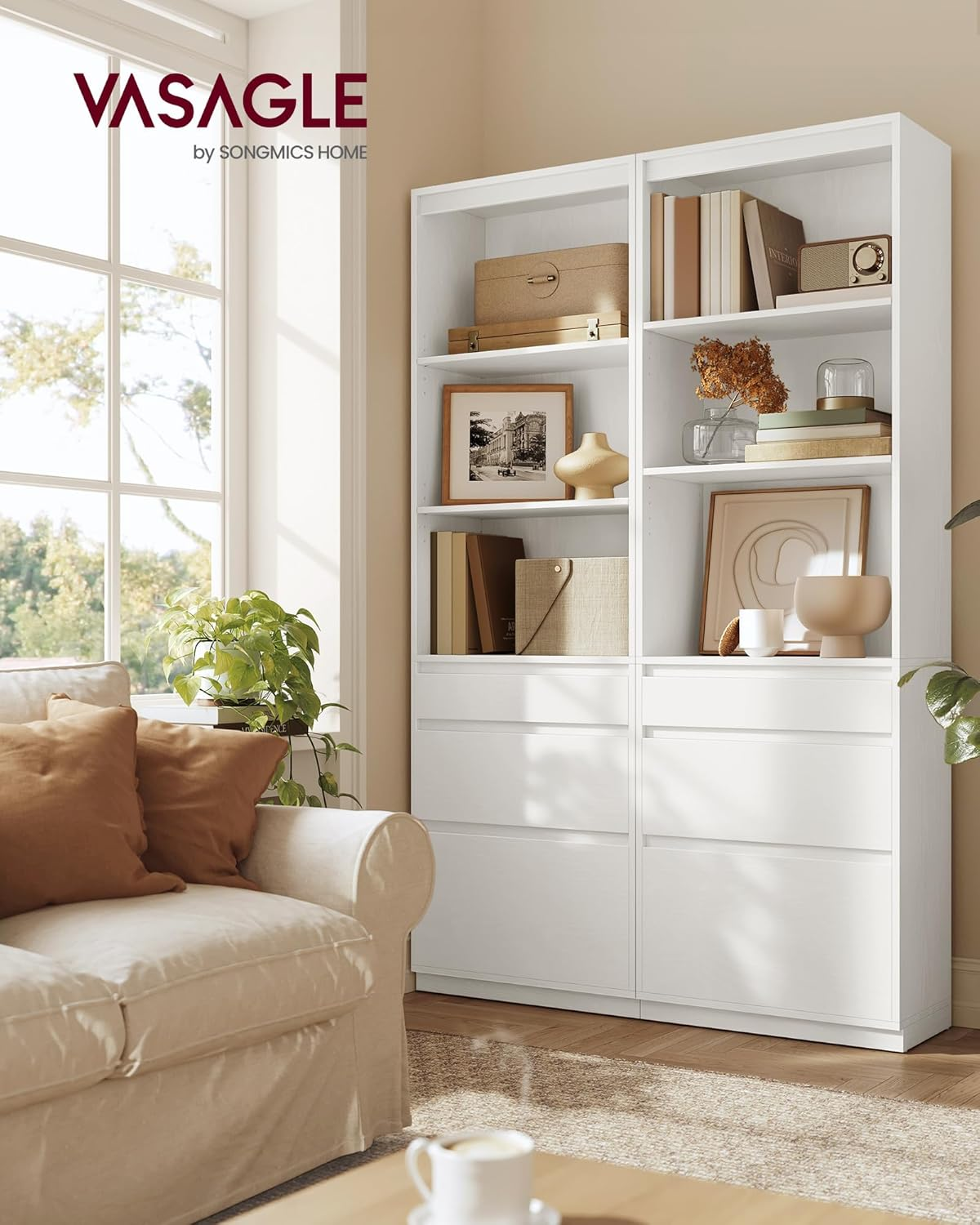
Many modern storage collections are designed around exactly this mixed-storage concept. SONGMICS HOME’s home storage collection includes storage cabinets, multi-purpose shelving units, and file cabinets that can be sold individually or bundled together. Some designs also combine open shelves with enclosed cabinets in a single unit, giving buyers another way to provide both functions while keeping the assortment efficient.
Layout Idea | Suitable Space |
Upper open shelves with lower cabinets | Shared living area |
Shelving beside a work desk | Study or home office corner |
Mixed storage cabinet | Dorm room, studio, or bedroom |
Multi-purpose shelving unit | Bedroom, hallway, or living area |
What This Means for B2B Buyers Stocking for September
For retailers, distributors, and student-housing suppliers, the value of this category goes beyond the September back-to-school peak. The European back-to-school season provides a predictable opportunity to capture demand from students and renters, while the broader furniture market provides a substantial year-round demand base. European furniture consumption was estimated at approximately €107 billion in 2025, with consumption increasing by around 1.5% year over year.[2]
The key advantage of stocking both open and closed storage is broader customer coverage. Open shelving can target students, young renters, and consumers looking for accessible or design-oriented storage, while closed cabinets can serve families, long-term residents, and customers with stronger requirements for organization and protection. Rather than competing for the same sale, the two formats allow buyers to address different price points and purchasing motivations within one category.
This also creates opportunities for repeat purchases and combination sales. A consumer may purchase open shelving when moving into a new apartment and later add a closed cabinet as their storage needs grow. A household may combine open shelving for display and everyday access with enclosed storage for documents, clothing, or household supplies. For retailers, these complementary use cases can increase the potential for multiple-item purchases and ongoing replenishment.
For buyers preparing their September assortment, the goal therefore should not be to decide whether open or closed storage is “better.” A stronger strategy is to build a balanced storage portfolio that matches different customer groups, living situations, price levels, and purchasing occasions. Back-to-school demand can provide the seasonal entry point, while the complementary nature of the category helps maintain sales opportunities throughout the rest of the year.
Buyers can explore SONGMICS HOME B2B for SONGMICS HOME’s full range of storage cabinets, multi-purpose shelving units, and file cabinets, or Contact SONGMICS HOME to receive our complete product catalog and discuss wholesale, distribution, and project requirements. Email us at b2b@songmics.com.
References
[1] HousingAnywhere, Students searching for September housing are acting early: HousingAnywhere bookings up 30% in May, June 11, 2026.
[2] International Tropical Timber Organization (ITTO), Tropical Timber Market Report, January 2026, citing Eurostat data and World Furniture Online/CSIL estimates for European furniture consumption.


